
They are testing your patience, your response time, and whether you can actually handle their wedding.
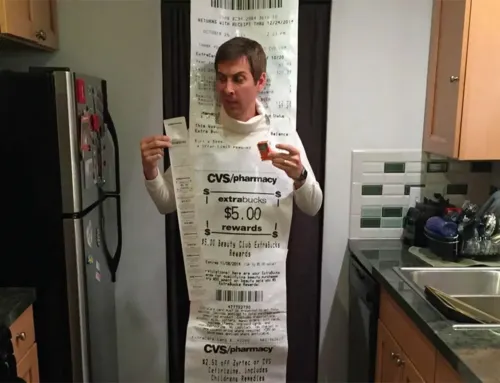
Let’s talk about that couple who has emailed you 47 times with “just one quick question.”
You know the ones.
They have asked about your square footage three different ways.
They want to measure the bathrooms personally.
They need to know the exact lumens of every light bulb in your chandeliers.
And yes, it is annoying.
But here is the thing.
They are not always asking about the outlets, the cocktail space, or the timeline policy.
They are testing how you will handle their mother-in-law’s emails six months from now.
This is where a stronger lead-to-booking process matters. The way you respond before they book tells couples exactly what they can expect after they sign.
What Is Really Happening
Every “quick question” may actually be asking something much bigger.
- Will you still be this responsive after we book?
- Can you handle high-maintenance requests?
- Are you actually good at problem-solving?
- Do you get annoyed easily?
- Are you going to disappear after we sign?
And if your responses are slow, irritated, vague, or rushed?
You are failing the test.
Even if your venue is beautiful.
Even if your pricing is fair.
Even if you technically answered the question.
The Testing Pattern
These couples are not always being difficult just to be difficult.
Okay, maybe a little.
But often, they are trying to figure out whether you can handle pressure.
They know that if you are getting snippy about paint colors now, you may not be the calm, capable presence they want when a seating chart changes, a vendor runs late, or someone’s aunt decides she suddenly needs a special meal.
That does not mean you need to let people steamroll you.
It means you need to recognize the difference between a nuisance and a signal.
The Questions Behind the Questions
When They Ask About Every Tiny Detail
When they ask:
How many outlets are in the bridal suite?
They may really mean:
Will you be detail-oriented with our wedding?
When They Want to Revisit the Same Space Again
When they ask:
Can we measure the cocktail space again?
They may really mean:
Will you be patient with our anxiety?
When They Ask About Policies Over and Over
When they ask:
What is your exact timeline policy?
They may really mean:
Can you handle high-stress situations clearly?
That is why clear website copy and helpful FAQs matter so much. If your site answers the obvious questions upfront, your team has more energy for the questions that actually need a thoughtful response.
How to Handle the Test Without Losing Your Mind
Smart venues do not treat every extra question like an interruption.
They treat it as an opportunity to prove:
- Your communication style
- Your problem-solving ability
- Your patience level
- Your attention to detail
- Your true service standards
That does not mean you have to write a novel every time someone asks about outlet placement.
It means your response should feel steady, helpful, and confident.
The Response Strategy That Works
1. Respond Quickly, But Not Frantically
Quick responses show that you are available and attentive.
But frantic responses make you look like you have no boundaries.
You want to communicate:
- We are responsive.
- We are organized.
- We are helpful.
- We are not panicking.
2. Answer Thoroughly Enough to Build Confidence
A short, annoyed answer might technically answer the question.
But it does nothing to build trust.
Instead of:
Yes, there are outlets.
Try:
Yes, the bridal suite has multiple outlets, including space for hair and makeup setups. We have had full beauty teams work comfortably in the room, and we are happy to talk through layout if that would help.
See the difference?
One answers.
One reassures.
3. Turn Their Anxiety Into Confidence
When couples ask detailed questions, they are often trying to calm themselves down.
So help them do that.
Try language like:
I love how detail-oriented you are. These are exactly the kinds of things that can make the day feel smoother, and we are happy to help you think through them.
Or:
Great question. This comes up often, and we have a system for handling it so couples do not have to figure it out alone.
Or:
That is a totally fair thing to ask. We have handled similar setups before, and here is what usually works best.
Now you are not just answering.
You are showing them what it feels like to work with you.
The Red Flags You Might Be Sending
Your responses may be hurting you if you are:
- Getting visibly annoyed
- Giving short, cold answers
- Taking too long to respond
- Showing frustration in your tone
- Making them feel like a burden
Couples notice that.
They may not say it directly.
But they feel it.
And once they feel like they are bothering you before they book, they will start imagining what it will feel like after they have paid you.
When to Set Boundaries
Now, let’s be clear.
Some people are not a good fit.
If a couple is disrespectful, demanding, rude, or impossible to satisfy, you do not have to bend over backward to win them.
But there is a big difference between:
- A couple asking detailed questions because they are anxious
- A couple showing you they are going to be a nightmare client
Good sales teams know how to tell the difference.
They also know how to create structure so the communication does not become chaos.
How to Reduce the 47-Email Spiral
If you keep getting the same tiny questions over and over, that may be a sign your process needs support.
You can reduce repetitive questions with:
- A stronger FAQ page
- Better pricing guide details
- Clearer package or experience descriptions
- Real wedding examples
- Follow-up emails that answer common concerns
- Better inquiry forms that ask the right questions earlier
This is also where content that attracts and educates the right couples can help. When your content answers real questions before couples inquire, the conversations that do reach your inbox are usually stronger.
The Bottom Line
Stop seeing detailed questions as only an annoyance.
Start seeing them for what they often are.
A test of how you will handle their actual wedding day concerns.
They are not just asking about outlets.
They are asking if you are organized.
They are asking if you are patient.
They are asking if they can trust you.
And that couple who just emailed you their “last question”?
They probably have 12 more lined up.
How you handle them may determine whether they book.